
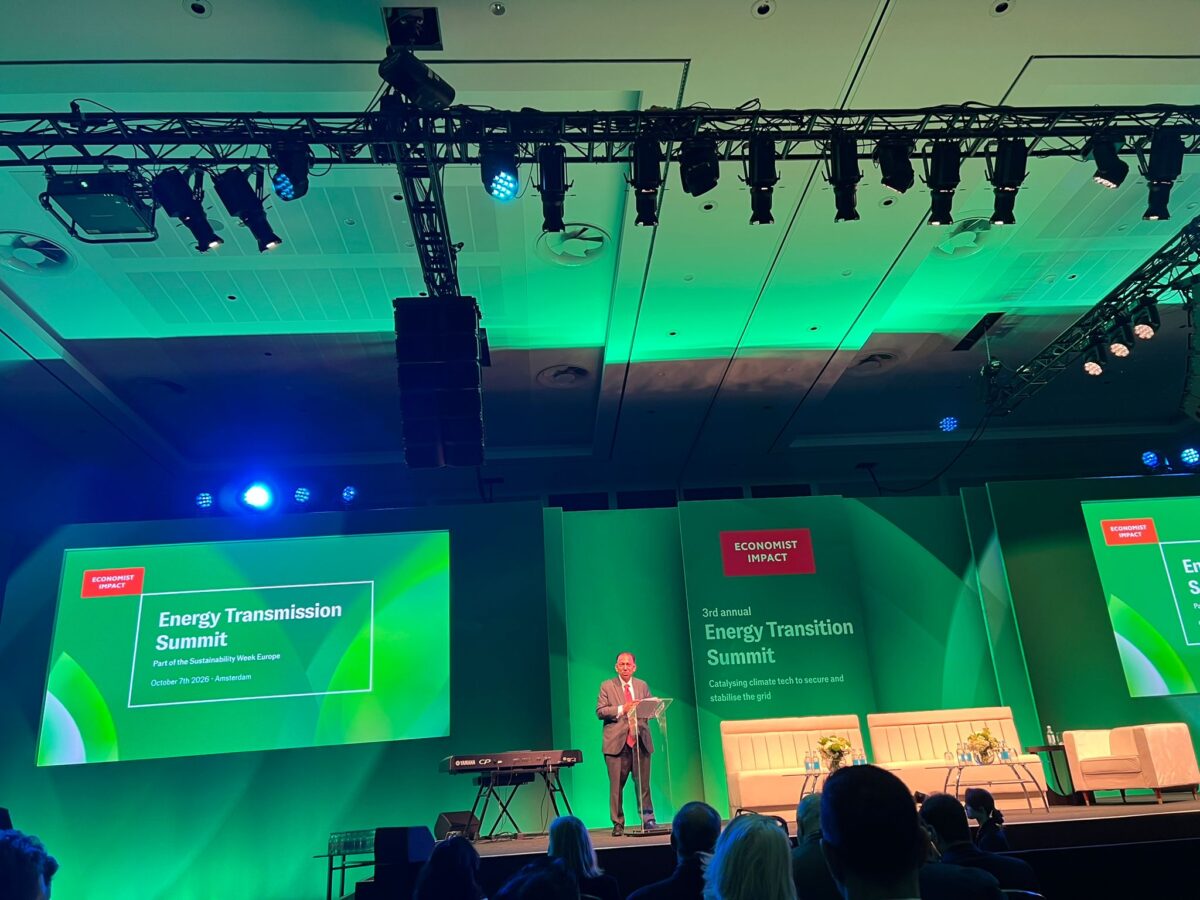
The sustainability conversation is changing. Not in terms of ambition. In terms of what’s actually driving action. Last week we spent three days at The Economist Sustainability Week in London, now in its 11th edition and bigger than ever. Over 2,500 attendees, 400+ speakers and 80 case studies Cities Today gathered at the Intercontinental London…
Tag: social enterprise

Explore what unfolded at SEWF 2025 in Taipei: key themes, real‑world take‑aways for social enterprises, and how Cambio Consultancy is helping shape the future. Introduction: A Global Gathering with Purpose From 27–31 October 2025, Taipei became a focal point for global social innovation. The Social Enterprise World Forum 2025 (SEWF25) gathered more than 1,000 delegates from…

Explore how Green Economy Forum 2025 in London reshaped the conversation on climate finance, tech, and trust and why Cambio Consultancy is leading the way. A Climate Turning Point and a Capital Challenge On October 21, 2025, a powerful gathering unfolded inside The Conduit in London. With over 400 global leaders, the Green Economy Forum…

Berlin’s GIIN Impact Forum 2025 surfaced trends, challenges, and innovations in impact investing — and why Cambio Consultancy is shaping the narrative. Introduction: Driving Solutions at the World’s Premier Impact Investing Forum From October 7–9, 2025, Berlin became the global epicenter of impact investing as more than 1,600 changemakers converged at the GIIN Impact Forum…

Explore Climate Forward NYC 2025’s key insights on climate action, business sustainability, and global cooperation during this pivotal moment for our planet. Introduction: New York as the Climate Crossroads On September 24, 2025, the New York Times Center served as the epicenter of climate discourse as world leaders, policymakers, business executives, and scientists converged for Climate…
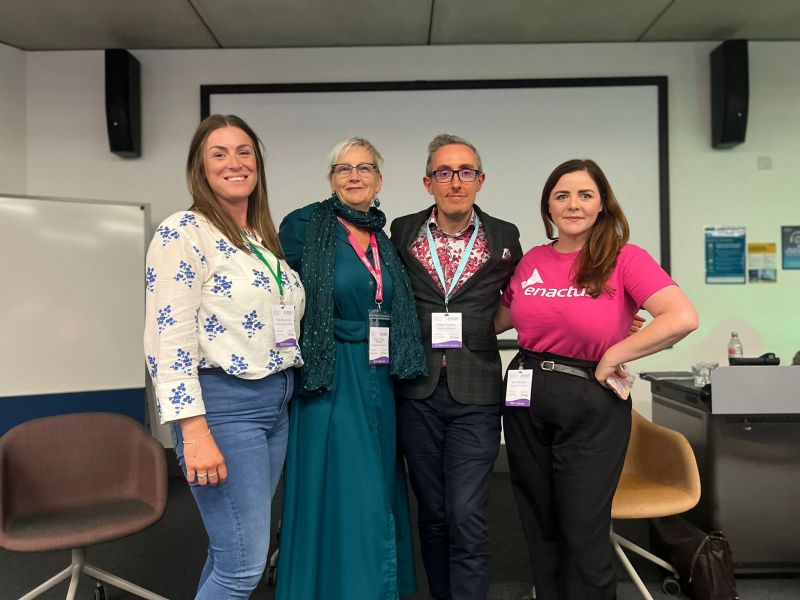
The International Entrepreneurship Educators Conference (IEEC 2025) returned to Manchester this September with a powerful message: enterprise education is at a crossroads, and its future will be shaped by collaboration, disruption, and a deep commitment to sustainability. Over four days, more than 200 enterprise educators, researchers, and practitioners gathered at Manchester Metropolitan University to share…

Explore ChangeNOW 2025’s vibrant ecosystem—spotlighting breakthrough solutions, youth and investor engagement, and the global shift from intent to concrete action. Introduction: Paris Becomes the Global Capital of Impact What does it look like when 40,000 innovators, investors, climate leaders, and entrepreneurs join forces at the Grand Palais in Paris to accelerate the world’s sustainability transition? ChangeNOW 2025…

Discover how regenerative leadership drives 60% better creativity and 30% higher productivity. Learn science backed strategies from Cambridge, Oxford and MIT. A New Leadership Frontier What if the next wave of business leadership focused not merely on sustainability but on regeneration? With 55% of global GDP, that’s $58 trillion, at risk due to environmental decline,…

Discover how UK universities are emerging as social innovation ecosystems, driving real-world impact through living labs, leadership training, and measurable change—where Cambio can lead the next wave of partnership and transformation. From Ivory Towers to Innovation Ecosystems What if the next wave of sustainable transformation isn’t driven by governments or corporations—but by universities? Across the…

For social enterprises, funding is more than just financial support – it’s the fuel that drives both impact and sustainability. Unlike traditional businesses, social enterprises balance purpose with profit, so choosing the right funding option is crucial for long-term success. Here are three of the most common routes: grants, investors, and crowdfunding. 1. Grants Grants…

Social entrepreneurs are driven by purpose – to tackle pressing social and environmental challenges while running sustainable businesses. Yet, passion and innovation alone are not enough to create lasting change. Finance is the lifeblood that turns vision into impact. 1. Finance Enables Growth and Sustainability Social enterprises often begin with limited resources, relying on personal…

When it comes to funding a social enterprise or CIC, two key sources often come into focus: grants and impact investment. While both aim to support mission-driven work, they operate quite differently – and choosing the right route depends on your goals, stage of growth, and risk appetite. Grants are typically non-repayable funds provided by…

Consumers increasingly want to support businesses that stand for something beyond profit – whether it’s sustainability, community wellbeing, or social justice. But having a mission isn’t enough; how you communicate it matters just as much. Here are five effective marketing tips for purpose-driven brands looking to stand out and stay authentic. 1. Lead with Your…

As governments face increasingly complex challenges – from economic inequality to climate change – the role of social enterprises in governance has never been more relevant. Social enterprises, which prioritise social or environmental impact alongside profit, offer an innovative and people-focused approach to addressing societal issues that public services alone cannot always meet effectively. Modern…

Consumers have become a powerful force in reshaping the way businesses operate. No longer satisfied with companies focusing solely on profits, today’s consumers expect brands to take an active role in addressing social and environmental issues. This shift is driving businesses to reimagine their role in society, moving from traditional profit-centric models to purpose-driven enterprises…

Government investment in the regeneration of deprived communities is a critical opportunity not only to improve physical infrastructure but also to address deep-rooted social and economic inequalities. While funding often focuses on construction, transport and digital connectivity, there is growing recognition that lasting change depends on empowering local people and this is where social entrepreneurs…

Measuring impact before committing funds is essential for social enterprises that want to maximise their resources, ensure sustainability, and maintain accountability. The goal is to create lasting change while ensuring that resources are used wisely. One of the most effective ways to guarantee this is by measuring the impact of a project before committing funds.…

Purpose-driven startups often enter the market with a strong mission and a clear impact goal, but the journey rarely unfolds as planned. When the unexpected happens – whether it’s economic shifts, global pandemics, or community feedback, pivoting becomes essential. But what does pivoting really mean for social entrepreneurs? Unlike traditional startups that might pivot purely…

With a mission-led approach and a deep commitment to community impact, social enterprises are bringing innovation, inclusivity and person-centred values to the care sector. The beauty of social enterprises in care lies in their ability to balance support with empowerment. Rather than simply providing services, they focus on enabling people to grow, contribute and feel…

Investing in leadership rooted in purpose is not just good for performance – it’s essential for building a more equitable and sustainable future. Leadership development is no longer just about driving performance – it’s about doing so while staying firmly rooted in purpose. That’s why training and development strategies within this space must go beyond…

As the urgency to address environmental challenges grows, impact investors are increasingly turning their attention to climate-focused social enterprises – businesses that combine profitability with positive environmental and social impact. Impact investing refers to the practice of investing in companies, organisations, and funds with the intention of generating measurable social and environmental impact alongside a…

Social enterprises operate at the intersection of business and social impact, striving to create meaningful change while maintaining financial sustainability. To achieve this balance, they require access to diverse funding sources, particularly a mix of public and private capital. Both forms of funding offer unique benefits, and when combined, they can provide the necessary support…

The UK government has taken a significant step toward advancing social impact investing with the creation of the Social Impact Investment Advisory Group. This group, formed by the Treasury and the Department for Culture, Media and Sport, will play an important role in shaping how the UK blends philanthropic and impact capital to achieve its…

Social enterprises are redefining the way traditional industries operate, bringing about a wave of positive change that prioritises both social impact and financial sustainability. Unlike conventional businesses, which focus primarily on profit maximisation, social enterprises aim to address pressing social or environmental issues while generating revenue. This unique blend of purpose and profit is making…

Social enterprises hold the key to addressing pressing global challenges, from economic inequality to environmental degradation. By combining business principles with a mission for social good, these entities drive sustainable impact across communities. However, a significant hurdle they face is the lack of robust government support – a policy gap that limits their potential to…

The social enterprise sector operates at the intersection of business and social good, making it particularly sensitive to legislative changes. Recent updates in policy across various regions signal significant implications for the sector. Here’s a closer look at these developments and what they mean for social enterprises. In February 2025, the UK will implement new…

The circular economy offers a sustainable alternative to the traditional linear “take-make-dispose” model, emphasising resource efficiency, waste reduction, and regeneration. Transitioning your business to a circular economy model not only helps the environment but can also unlock long-term cost savings and enhance your brand reputation. Here’s how to get started: Start by familiarising yourself with…

In recent years, Black-led social enterprises have emerged as powerful catalysts for change in local communities. Driven by a mission to create social impact, these enterprises are tackling systemic inequalities by creating economic opportunities and empowering communities. By developing tailored, culturally relevant solutions, Black-led social enterprises are not only addressing systemic inequalities but also reshaping…

Building and engaging with a supportive community is not just a strategy for survival; it’s a pathway to thriving in social entrepreneurship. Instead of individual determination, effective communities can enhance resilience by providing enterprises with a vital source of support, collaboration, and innovation. Being a social entrepreneur often involves significant emotional and mental strain due…

Social enterprises are increasingly becoming vital players in supporting families affected by disability. These organisations operate with a dual purpose: to generate profits that fund their social missions while creating positive change for communities. For families caring for individuals with disabilities, these services are crucial; not only to empower them financially but to address some…

The recent UK riots have highlighted high levels of discontent (and racism) towards immigrants from certain members of society. These protests are often instigated around misconceived ideas about the negative impacts migrants have and intentionally ignore the many lasting positive effects they can bring to the communities in which they reside. A case in point…

LGBTQ+ social enterprises are powerful agents of change, promoting inclusivity, diversity, and equality within their communities and beyond. These organisations leverage business strategies to address social issues, driving significant positive impact for LGBTQ+ individuals. One of the primary ways LGBTQ+ social enterprises influence change is by creating safe and inclusive spaces. These spaces serve as…

Successfully raising funds is essential for nonprofit organisations striving to make meaningful impacts in their communities. Here are several proven strategies that can significantly enhance a nonprofit’s fundraising efforts. Story Telling Effective storytelling is crucial for connecting with donors. Nonprofits can evoke empathy and inspire generosity by sharing compelling narratives about the people or causes…

Over the last decade, social finance and investment have undergone significant transformations, reflecting a growing commitment to aligning financial returns with positive social and environmental impact. This evolution has been driven by a confluence of factors, including increased awareness of global challenges, technological advancements, and changing investor preferences. In the early 2010s, social finance was…

As the UK gears up for its 2024 General Election, the influence of social enterprises on shaping election policies has become increasingly significant. Social Enterprise, which blends social missions with business strategies, has grown in prominence over the past decade, addressing critical societal issues while fostering economic resilience. This election cycle presents a crucial opportunity…

In celebration of Higher Education Day, it’s essential to reflect on the transformative role that higher education plays in fostering social entrepreneurship. As we look towards the future, several trends and predictions highlight how social enterprise education is evolving and what we can expect in the coming years. One of the most significant trends is…

Creating a strong brand identity for your social enterprise is crucial for standing out, attracting support, and effectively communicating your mission. Here’s how you can build a compelling brand identity that resonates with your audience and clearly reflects your values and overall goals and ambitions. Begin by clearly articulating your mission and values, which should…

Environmental, Social, and Governance (ESG) considerations are integral components of sustainable business practice everywhere. Social entrepreneurs, with their innovative approaches and commitment to driving positive change, play a crucial role in advancing ESG goals and fostering a more responsible and equitable society as a whole. At the heart of social entrepreneurship lies a dual mission:…

The concept of “sustainability” has evolved from being a fashionable buzzword to becoming a fundamental concern for conscious consumers. But why should consumers care about choosing sustainable products? The reasons extend far beyond just environmental consciousness… First and foremost, opting for sustainable products empowers consumers to make a tangible difference in global environmental challenges. By…

In the often unpredictable world of social entrepreneurship, resilience is not just a desirable trait—it’s a competitive advantage. While many factors contribute to the success of a social venture, the ability to bounce back from setbacks, adapt to change, and persevere in the face of challenges can make all the difference between thriving and surviving.…

Organisations are increasingly recognising the need for systemic solutions to address complex social challenges. Implementing systems change within your organisation is not only about enacting individual projects but about catalysing lasting, transformative impact. Here’s a easy and accessible roadmap to guide you through the process… Systems change requires collaboration and buy-in from diverse stakeholders. Engage…

Collaboration in the social impact space is not merely a strategy; it’s a cornerstone for driving meaningful change. At its core, collaborating in this sector involves partnering with like-minded individuals, organisations, and businesses to amplify impact, foster innovation, and address complex societal challenges. But how does this collaboration work, and what are the key elements…

The integration of Artificial Intelligence (AI) has become increasingly prevalent. However, for many social entrepreneurs, the question remains: when is the opportune moment to embrace AI technology? First and foremost, social entrepreneurs should assess their organisational readiness. AI implementation requires adequate resources, including time allocation and financial investment, technical expertise, and infrastructure. Before diving into…

In today’s business landscape, women entrepreneurs are making significant strides, yet they continue to face unique challenges that hinder their progress. Despite their growing presence in various industries, gender disparities persist, posing obstacles to their success – although in social enterprise that gender gap is significantly smaller, and in some geographies has reversed altogether. From…

The concept of “Bottom of the Pyramid” (BoP) refers to the largest, yet often neglected, socio-economic group – consisting of individuals essentially living in poverty. While traditional business models have historically bypassed this demographic due to a perceived lack of purchasing power, social enterprises are stepping in to bridge this gap and catalyse positive change…

Social entrepreneurship, with its focus on addressing social and environmental challenges through innovative and often diverse business models, has emerged as a powerful force in driving brand loyalty. Unlike traditional businesses solely motivated by profit, social enterprises prioritise purpose-driven initiatives that resonate deeply with consumers. This Valentine’s Day, here’s how social entrepreneurship fosters brand loyalty:…

The intersection of crowdfunding and social impact has led to remarkable changes in addressing homelessness. Crowdfunding, a collective funding approach facilitated by online platforms, has emerged as a powerful tool influencing not only financial landscapes but also the very policies that govern responses to homelessness. Beyond the clear opportunity to fund the launch of more…

Embarking on the journey of social entrepreneurship is akin to running a marathon rather than a sprint. The essence lies not in rapid strides, but in the endurance to navigate challenges, maintain and grow business relationships and persist in creating lasting impact. Let’s explore why adopting a marathon mindset is crucial for long-term success in…

As we step into 2024, the business environment continues to evolve rapidly, shaped by technological advancements, market fluctuations, and unforeseen global events. In this ever-shifting landscape, the skill of adapting to change continues to emerge as a key linchpin for organisational success. The first step towards mastering the art of adaptation is acknowledging the inevitability…

Sustainability has transcended the confines of traditional environmental concerns. Today, it embodies a holistic approach that extends beyond the green spectrum, encompassing social, economic, and cultural dimensions in a multi-layered approach. Social entrepreneurs are increasingly recognising the interconnectedness of these elements, understanding that true sustainability is a multifaceted endeavour. In the pursuit of social sustainability,…

Over the past few years, the landscape of social enterprises has undergone a notable transformation, with a growing emphasis on equity leadership. As these organisations strive to create a positive social and environmental impact on society, their approach to leadership has evolved to embrace equity, diversity and inclusion (EDI) at its core. Equity leadership goes…